
Luxury is one of those qualities that we would all love to have a little more of in the home. But how can you actually make that a reality? Luxury in the home isn’t always about grand gestures or vast budgets. More often, it’s a matter of intention – choosing materials, textures, and design elements that elevate the everyday into something quietly special. The homes that feel luxurious tend to do one thing particularly well: they make you aware of the space you’re in, not through excess, but through considered detail.
The Power of Materials
One of the simplest ways to introduce a sense of luxury is through materials. Natural finishes – stone, wood, glass, metal – carry a kind of honesty that synthetic alternatives struggle to replicate. A marble worktop, for example, doesn’t just look refined; it reflects light in a way that changes throughout the day, giving the room a sense of movement. Wood, particularly when left with some of its natural imperfections, adds warmth and depth. Even small touches – like solid wood shelving or a well-finished dining table – can ground a space and give it a sense of permanence.
Light as a Feature
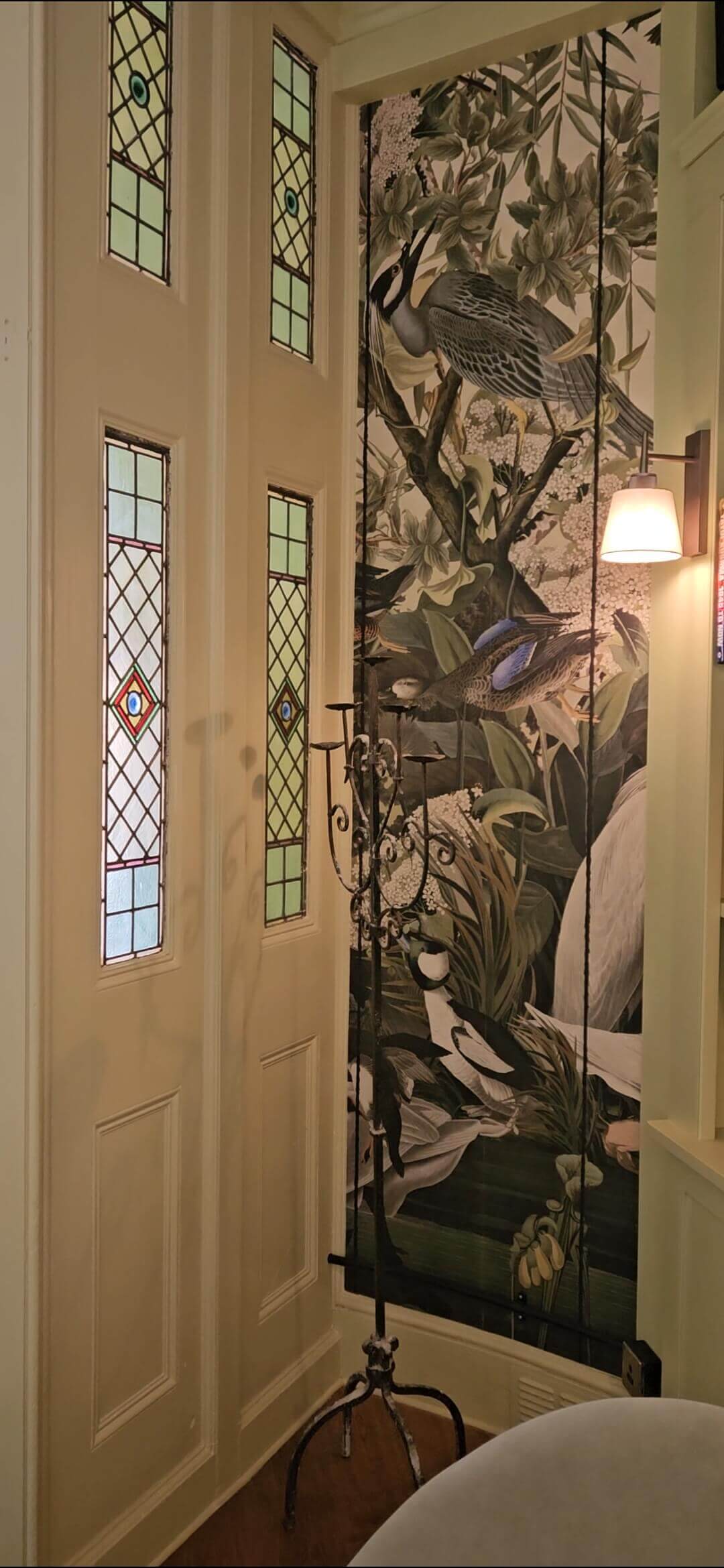
Lighting is often overlooked, yet it plays a central role in how luxurious a space feels. Harsh, uniform lighting flattens a room, while layered lighting creates depth and atmosphere. Think in terms of levels. Overhead lighting provides function, but it’s the softer sources – floor lamps, wall sconces, table lamps – that shape the mood. Warm-toned bulbs tend to feel more inviting, especially in living spaces and bedrooms. Natural light, of course, is the most valuable of all. Maximising it – through larger windows, reflective surfaces, or simply keeping window areas uncluttered – can transform even a modest space into something that feels open and considered.
Architectural Touches That Elevate
Small structural changes can have a surprisingly large impact. One example is the use of a glass balustrade in place of a traditional staircase railing or balcony barrier. It’s a subtle shift, but one that immediately changes how a space is experienced. Glass allows light to pass through uninterrupted, making staircases feel lighter and more integrated into the home rather than separate from it. It also introduces a clean, modern line that contrasts beautifully with more traditional materials like wood or stone. Because it’s transparent, it draws less attention to itself while enhancing everything around it.
Texture and Comfort
Luxury isn’t just visual. It’s tactile. The way a sofa feels when you sit down, the weight of a curtain, the softness of a rug underfoot – these are the details that quietly shape how a home is experienced. Layering textures can create richness without overwhelming a space. A linen sofa paired with a wool throw, a velvet cushion, or a thick woven rug can add depth without needing bold colours or patterns. In bedrooms, high-quality bedding can make a significant difference. Crisp cotton sheets, a well-filled duvet, and supportive pillows turn an ordinary room into something closer to a retreat.